
A definitive, global shift is underway in how industries approach physical safety for electrical infrastructure. From utility providers in Europe to manufacturing plants in North America and oil & gas facilities, there is a concerted move toward reinforcing operational safety protocols with specialized, reliable hardware. This trend, driven by stringent international compliance standards and a universal focus on risk mitigation, is fundamentally transforming industrial cabinet locks from commodity fasteners into critical safety devices. For OEMs, panel builders, and global procurement teams, understanding this compliance-driven evolution is essential for specifying hardware that ensures personnel safety, operational continuity, and adherence to international norms.
Outline
- The Global Compliance Imperative: Standards Driving Specification Changes – Examines how international safety standards are creating universal, non-negotiable demands for specialized locking hardware.
- Evolving Technical Specifications: The New Demands on Lock Design – Details the specific performance criteria emerging from compliance, focusing on precision, management, and durability.
- Strategic Adaptation for the Global Supply Chain – Provides a framework for manufacturers, suppliers, and OEMs to align their strategies with this new, standards-driven market reality.
- Conclusion: Partnering for Global Safety and Compliance – Summarizes the opportunity and underscores the value of partnering with a knowledgeable, solution-oriented supplier.
1. The Global Compliance Imperative: Standards Driving Specification Changes
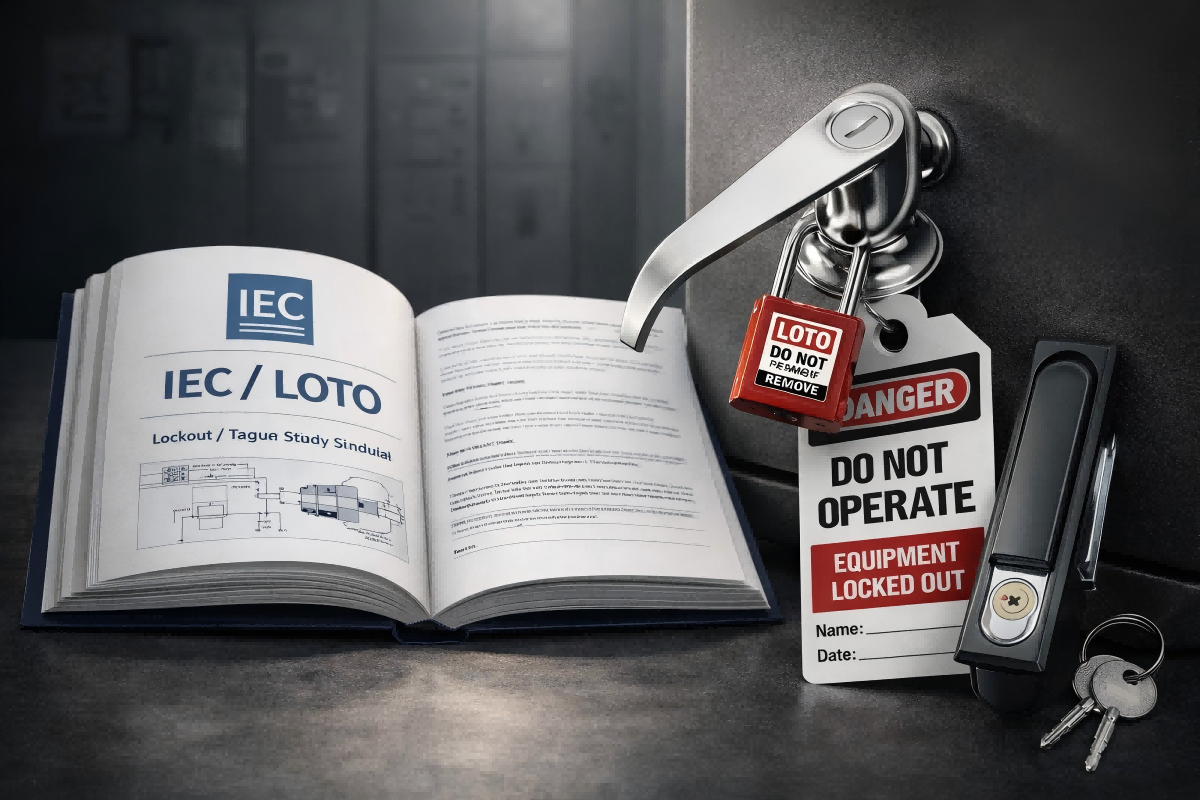
The global emphasis on preventing human error and unauthorized access in hazardous environments is materializing in updated, more rigorous equipment specifications. International safety frameworks, such as Lockout/Tagout (LOTO) procedures mandated by OSHA in the US and similar directives worldwide, are increasingly interpreted to require dedicated, engineered physical controls on energy isolation points. Concurrently, equipment-specific standards for high-voltage switchgear (e.g., IEC 62271-200) explicitly mandate reliable mechanical interlocks to prevent incorrect operation.
This creates a standardized, global demand for locks that are integral to a verifiable safety process, not just perimeter security. For wholesale distributors and project vendors, this represents a strategic pivot from fulfilling simple purchase orders to supplying certified safety-critical components. These components must help multinational clients achieve and demonstrate compliance across diverse operational sites, affecting decisions from initial OEM design to aftermarket batch order procurement.
2. Evolving Technical Specifications: The New Demands on Lock Design
Compliance standards translate into concrete, technical requirements that push lock design beyond traditional paradigms. The focus shifts from merely closing a door to integrating with safety-critical workflows.
-
Precision Interlocking for Procedural Safety
The core of LOTO and machinery safety standards (like ISO 14119) is preventing a specific sequence of events until it is safe. This drives demand for locks that act as precision mechanical interlocks. For example, a lock may be required to physically prevent a circuit breaker handle from moving to the “ON” position unless an access panel is securely closed and locked. Such applications demand exceptional mechanical reliability, precise tolerances, and a high cycle life to withstand frequent procedural use without failure.
-
Standardization for Asset Management and Auditability
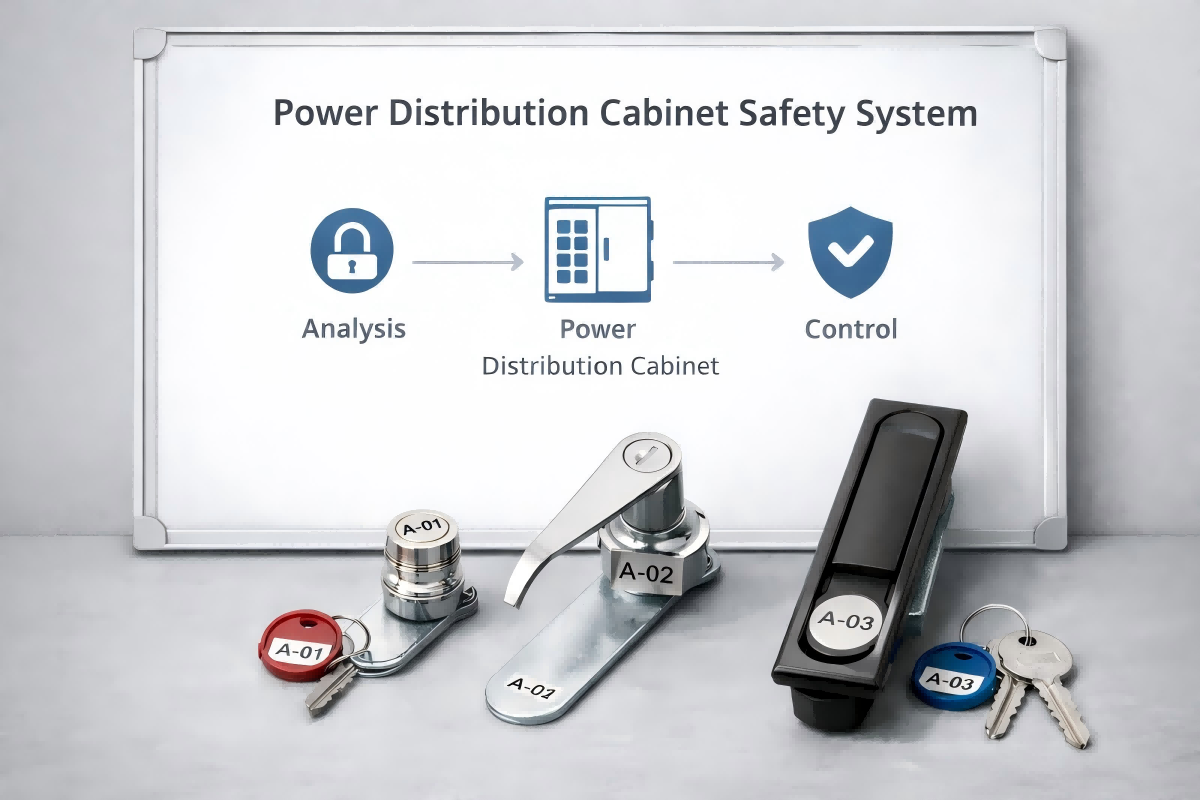
Global compliance requires clear accountability and traceability. Standards often imply or require ”positive isolation” verified by a unique lock and key. This fuels demand for hardware designed for systematic management: locks that can be serially numbered, color-coded by department or voltage level, and seamlessly integrated into key management systems. A bulk order thus becomes a traceable safety asset system, adding significant value for end-users and distributors.
-
Uncompromising Material and Environmental Specifications
Compliance locks are deployed in the most challenging environments—from offshore platforms to chemical plants. Therefore, material specification is critical. Stainless steel (AISI 304/316) is frequently specified not as an upgrade but as a baseline for long-term corrosion resistance. Manufacturers must provide material certifications and validated test reports (e.g., ASTM B117 salt spray tests exceeding 1000 hours) to prove fitness for purpose, directly impacting the Total Cost of Ownership (TCO) calculations of global clients.
3. Strategic Adaptation for the Global Supply Chain
To thrive in this standards-driven market, manufacturers and their partners must evolve from component providers to solutions partners.
1.Develop Deep Compliance and Application Expertise
Leading suppliers invest in understanding the letter and intent of international standards. As an ODM partner, this means engineering teams can collaborate with OEM clients to develop customized solutions—whether a unique latch mechanism for a new safety interlock or a custom keying system that aligns with a client’s global LOTO policy. Flexibility on MOQ for such development projects builds strategic partnerships.
2.Fortify Quality and Documentation Processes
In a market where a component failure can equate to a safety protocol breach, quality assurance is paramount. Reliable factories operate under certified quality management systems (e.g., ISO 9001) and provide full traceability and documentation packs with shipments. This level of rigor provides distributors and procurement teams with the confidence needed for batch order specifications in regulated industries.
3.Articulate Value in Terms of Risk Reduction
Commercial conversations must transcend price-per-unit. Successful vendors articulate how their products reduce operational risk, ensure audit compliance, and prevent costly downtime or incidents. This value-based dialogue aligns with the objectives of plant managers, safety engineers, and corporate purchasing departments, justifying investment in higher-specification, compliant hardware.
Conclusion
4. Partnering for Global Safety and Compliance
The convergence of global safety standards and operational risk management is creating a sustained, quality-driven demand segment within the industrial hardware market. For companies that design, operate, or maintain critical infrastructure worldwide, selecting a locking solutions supplier is a decision with direct implications for safety performance and regulatory standing.
At Lida Lock, we are engineered for this environment. As a dedicated manufacturer and collaborative ODM partner, we design our products—from robust cam locks to complex safety interlock systems—with the principles of international compliance in mind. We support our global network of wholesale distributors and OEM partners by providing not only reliable hardware but also the technical expertise and documented quality assurance needed to turn compliance challenges into embedded safety features.
Ready to specify locks that meet global safety standards?
Contact our engineering and sales team today to discuss your application requirements, request compliance-oriented product data, or initiate a consultation for a custom safety solution.
Post time: Feb-02-2026